
Ptosis Correction
Droopy eyelid affecting your vision or confidence?
Precise ptosis evaluation and correction to restore comfort, symmetry and clear vision.

Oculoplasty brings together detailed ophthalmic examination, reconstructive planning and careful attention to facial balance. Care may include medical treatment, surgery or observation depending on the diagnosis.
Every consultation focuses on eye safety, function, realistic outcomes and clear communication.
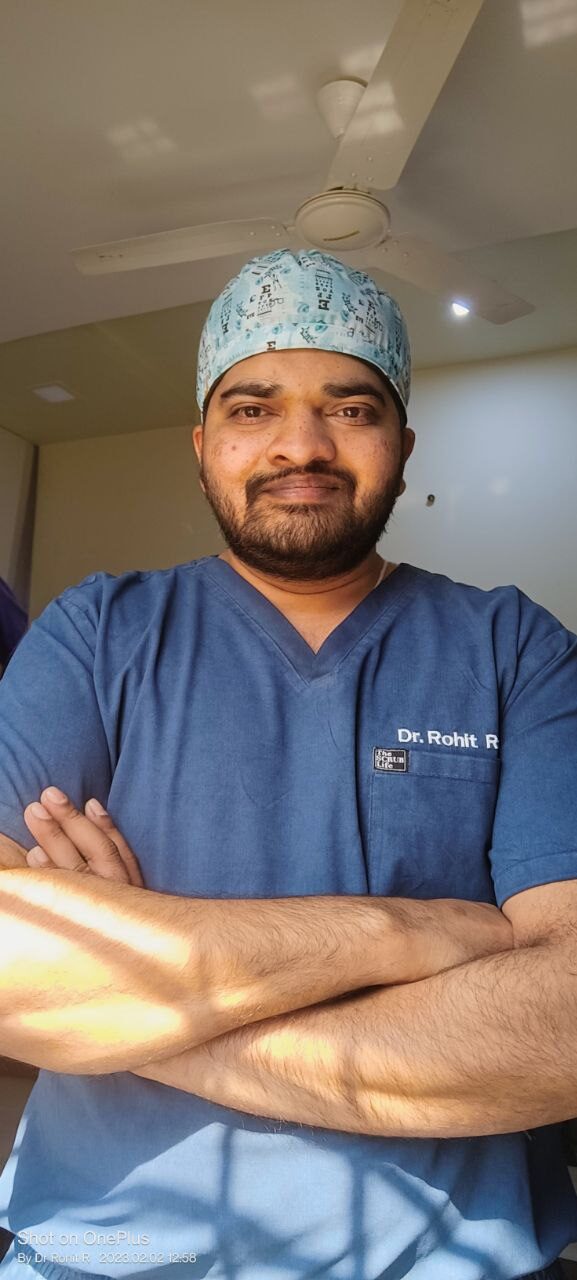
Meet Dr. Rohit Rao →Ptosis, entropion, ectropion, lumps, trauma, reconstruction and selected aesthetic concerns.
Thyroid eye disease, proptosis, orbital fractures, inflammation and tumours.
Watery eyes, tear-duct obstruction, recurrent infection and DCR surgery.
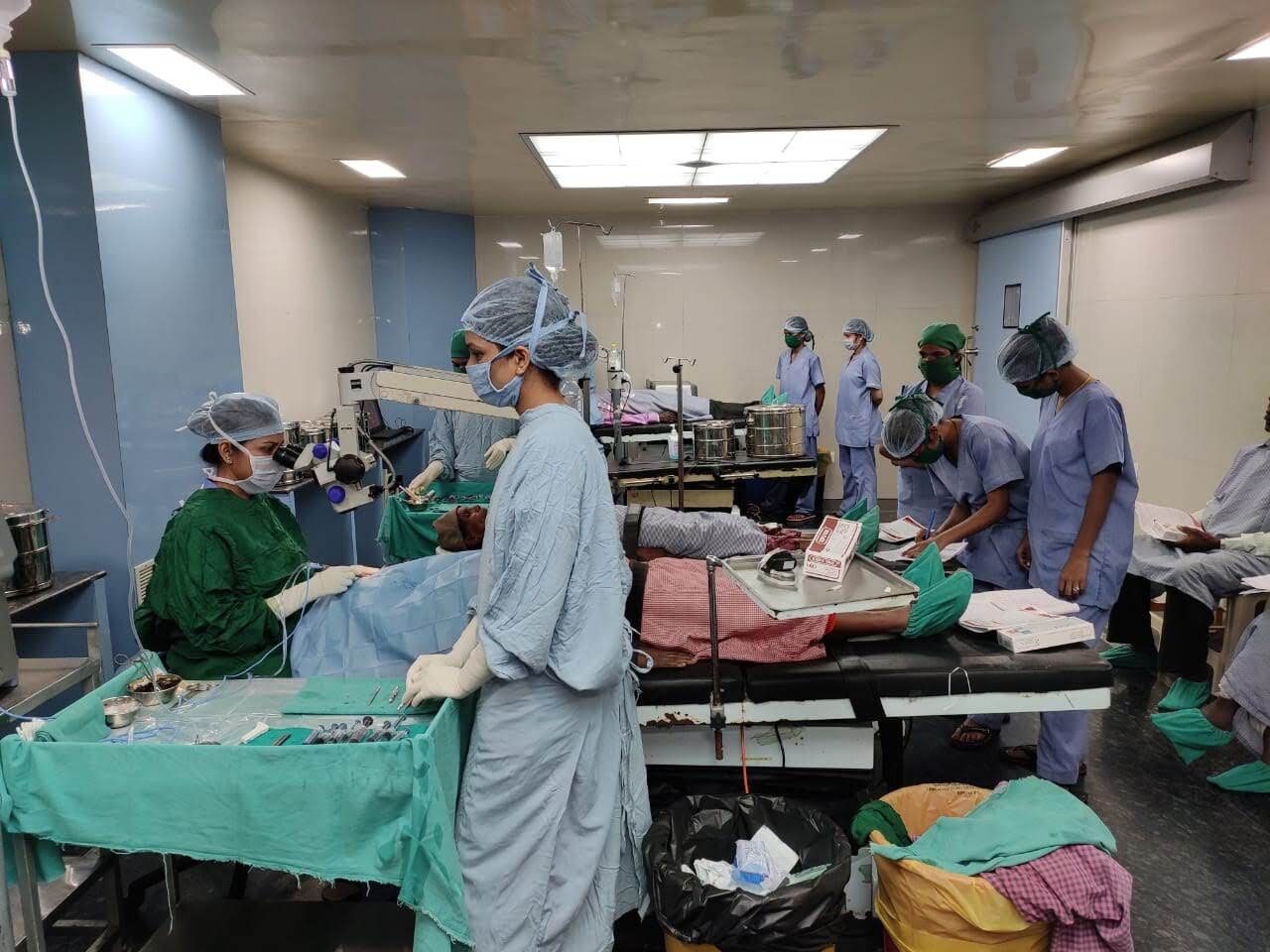
A useful plan starts with the right diagnosis. Your visit may include eyelid measurements, eye-surface assessment, photography, tear-drainage testing or imaging when clinically required.
You will receive an explanation of options, expected recovery, alternatives and important warning symptoms.
Patient guide →Request a consultation and share the symptoms, duration and any previous treatment.
A step-by-step guide to medicines, transport, wound care, swelling and warning signs before and after eyelid, tear-duct or orbital surgery.

Under-eye filler may suit selected volume deficits, but swelling, contour irregularity and rare vascular vision loss require careful patient selection.

Botulinum toxin can treat selected spasms and expression lines, but precise dosing is important to avoid eyelid droop, double vision or dry eye.
Comfortable prosthetic-eye wear depends on healthy socket lining, eyelid support, implant volume and regular cleaning and review.

Weak blinking and incomplete closure can dry and injure the cornea. Early lubrication and tailored eyelid support protect vision.

Orbital masses may present with slow proptosis, double vision or vision change. Imaging and tissue diagnosis guide safe treatment.
Share your concern and preferred appointment time. The clinic team can guide you on the next step.