
Patient Guide
Preparing for Oculoplasty Surgery and Recovering Safely
A step-by-step guide to medicines, transport, wound care, swelling and warning signs before and after eyelid, tear-duct or orbital surgery.
Clear, practical information to help you prepare better questions for your consultation.
20 articles
A step-by-step guide to medicines, transport, wound care, swelling and warning signs before and after eyelid, tear-duct or orbital surgery.

Under-eye filler may suit selected volume deficits, but swelling, contour irregularity and rare vascular vision loss require careful patient selection.

Botulinum toxin can treat selected spasms and expression lines, but precise dosing is important to avoid eyelid droop, double vision or dry eye.
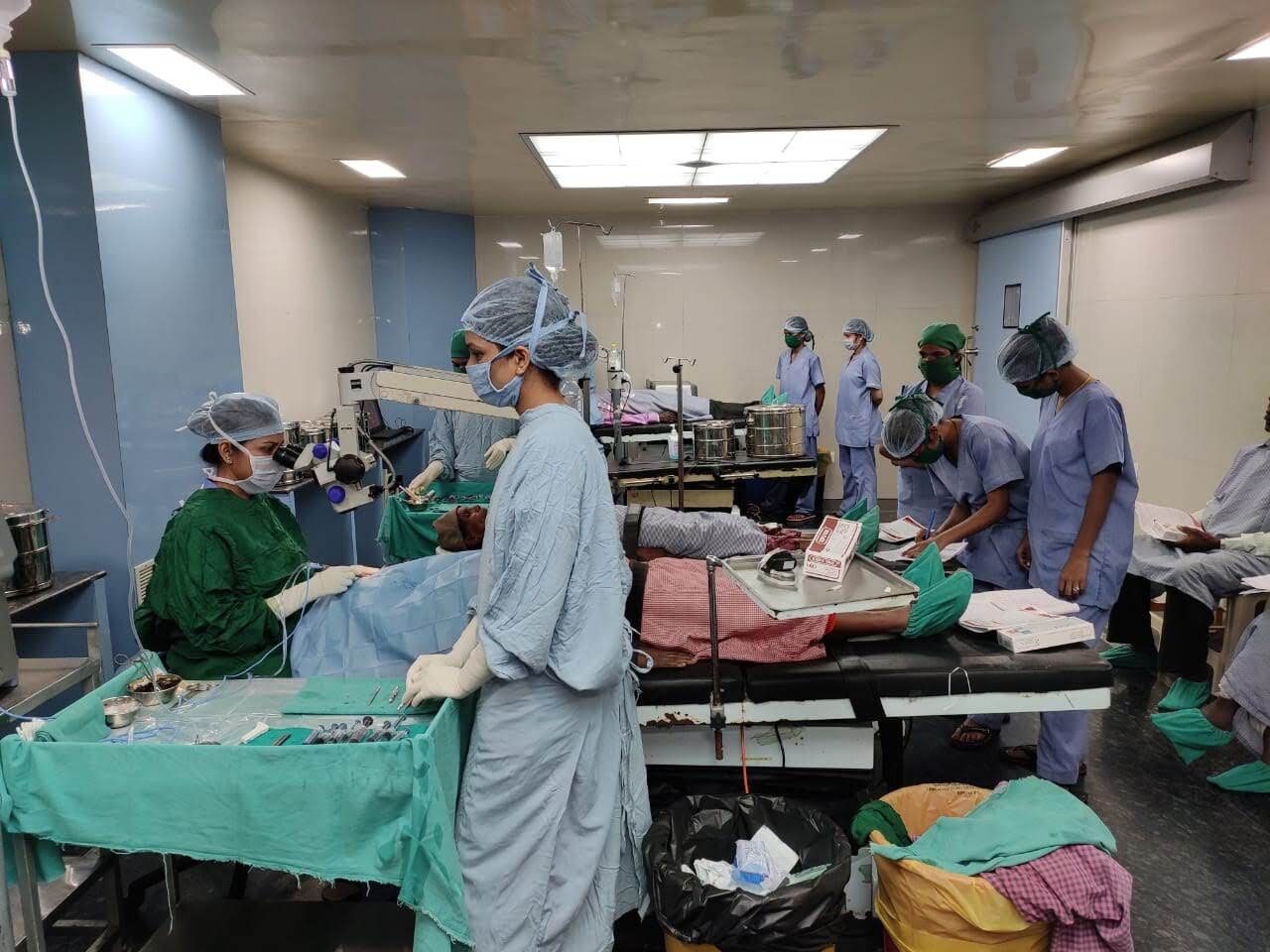
Comfortable prosthetic-eye wear depends on healthy socket lining, eyelid support, implant volume and regular cleaning and review.

Weak blinking and incomplete closure can dry and injure the cornea. Early lubrication and tailored eyelid support protect vision.

Orbital masses may present with slow proptosis, double vision or vision change. Imaging and tissue diagnosis guide safe treatment.
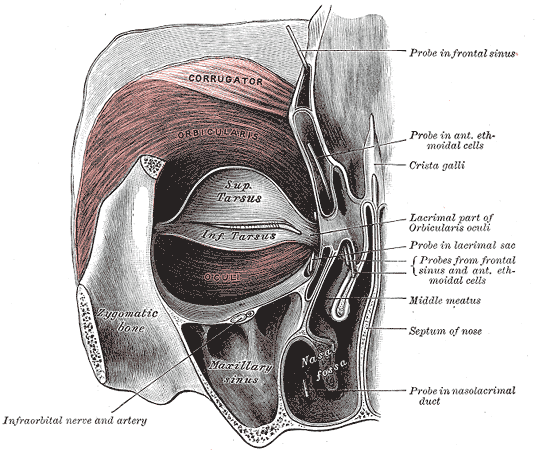
Blowout fractures can trap tissue, cause double vision or leave a sunken eye. Learn what CT shows and when surgery is considered.
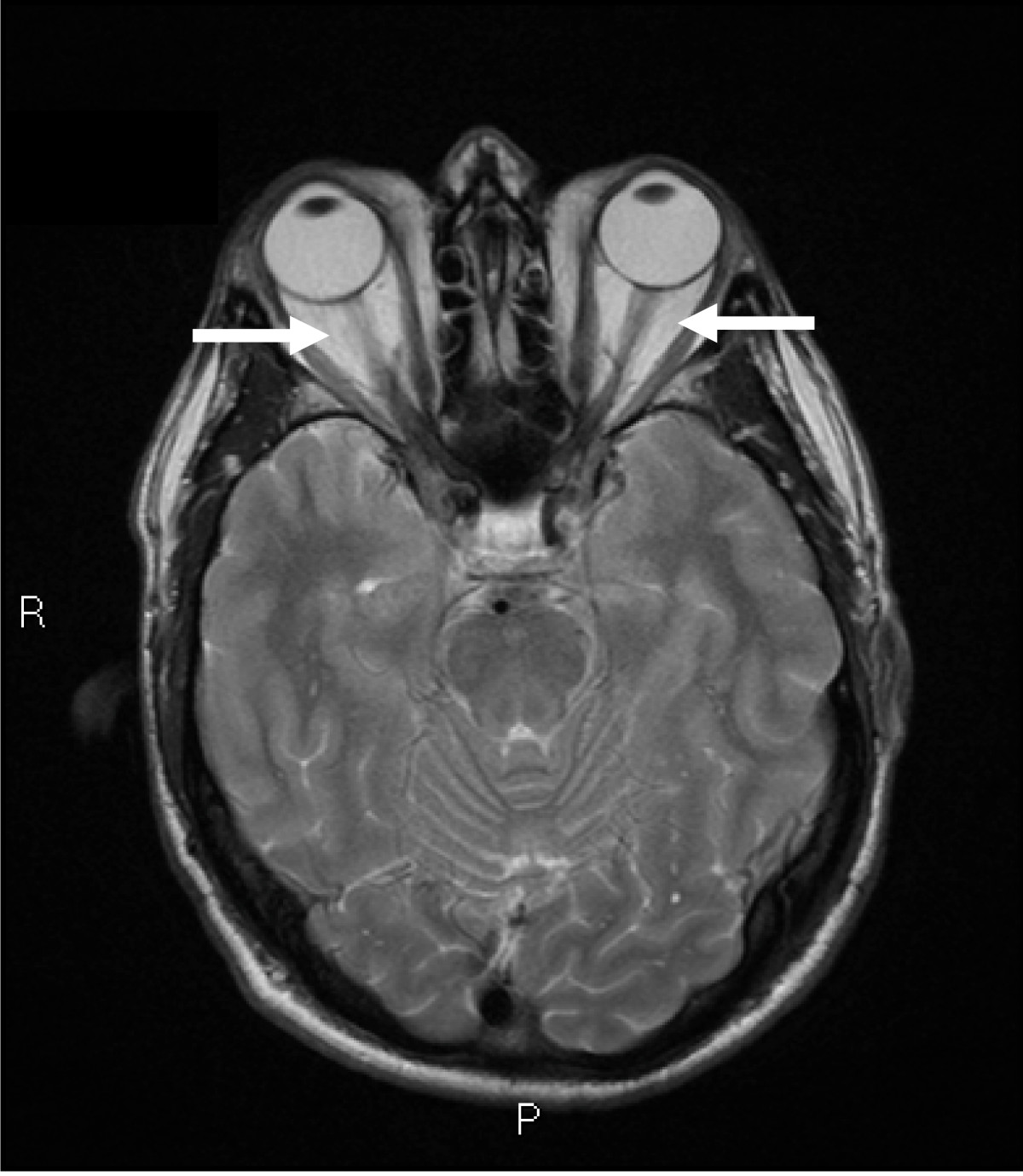
A bulging or displaced eye can result from thyroid disease, inflammation, infection, bleeding or a tumour. Speed and associated symptoms guide urgency.
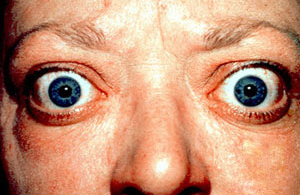
Bulging eyes, lid retraction, dryness and double vision can occur in thyroid eye disease. Treatment depends on activity, severity and eye safety.
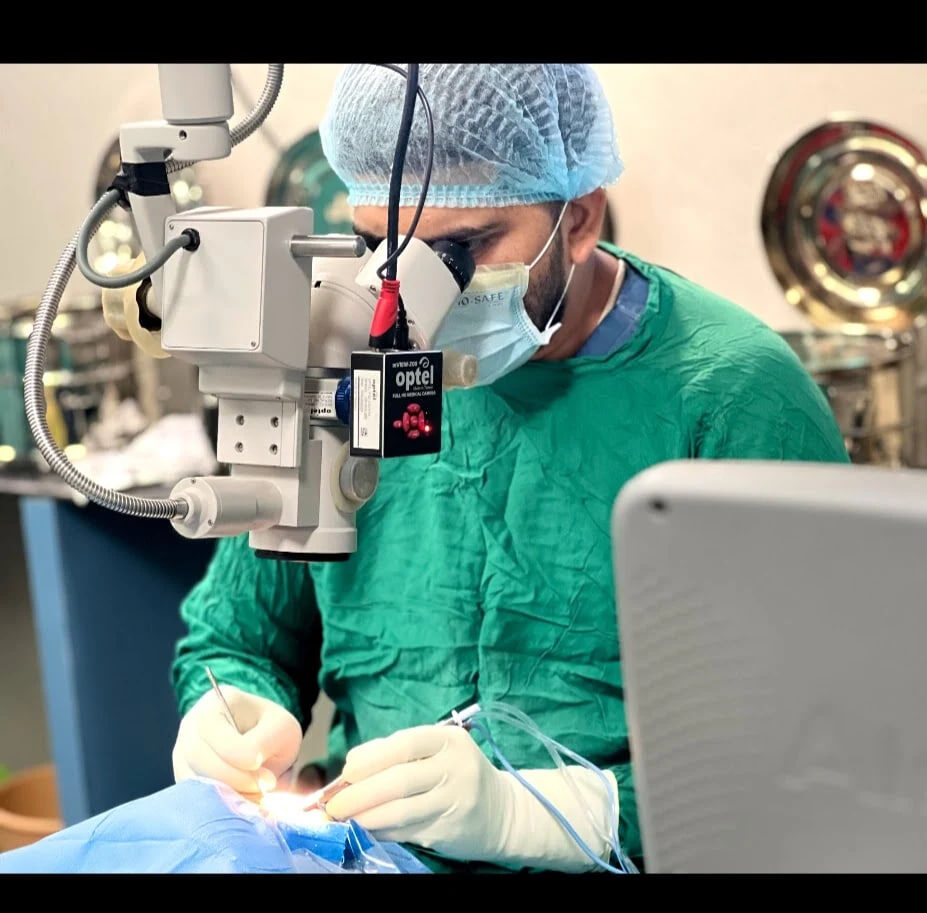
Eyelid cuts can involve the tear drainage system, lid margin or deeper orbit. Early specialist repair helps protect function and appearance.

Most eyelid lumps are benign, but growth, ulceration, bleeding or lash loss require assessment. Treatment may combine removal and reconstruction.
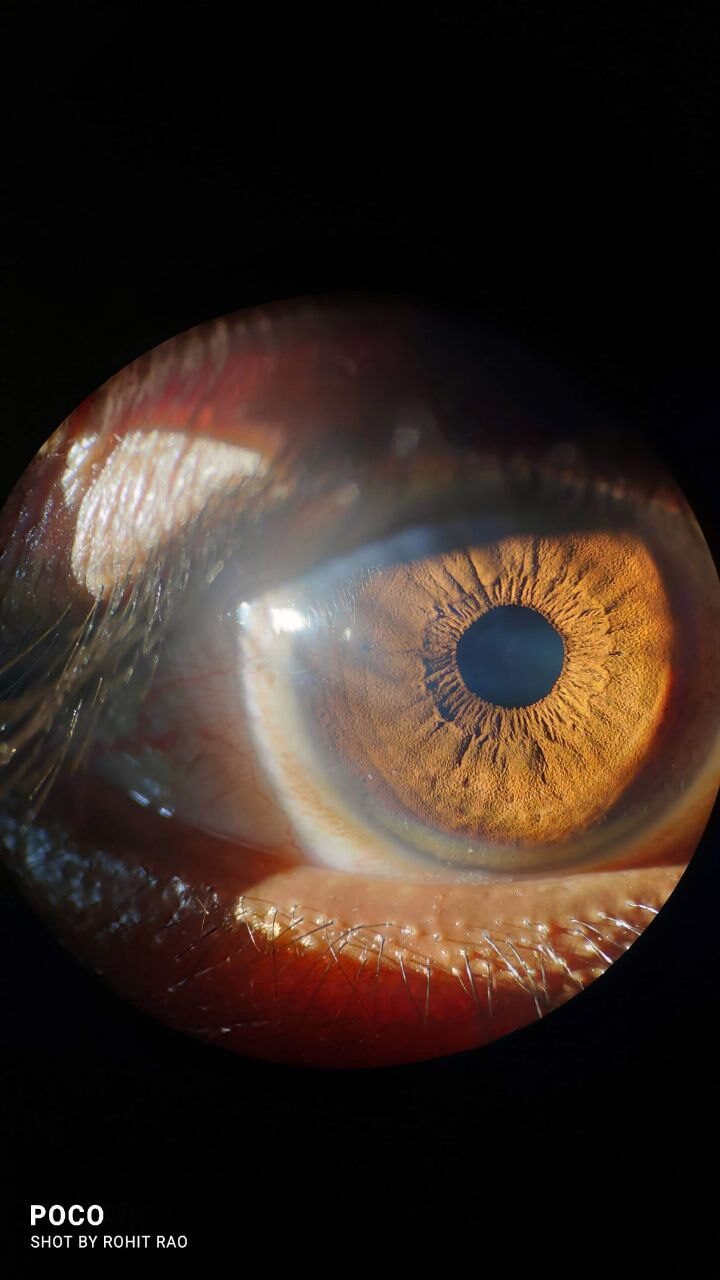
Warm compresses often help a chalazion, but persistent or recurrent lumps may need injection, drainage or biopsy.
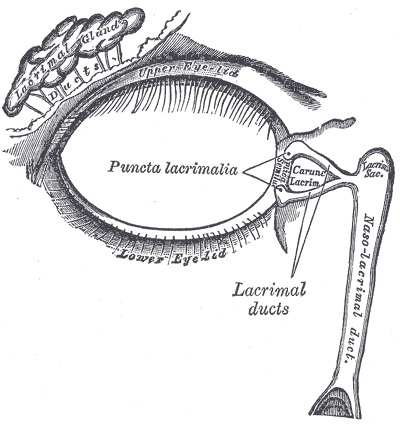
How dacryocystorhinostomy creates a new tear-drainage pathway, what tests are needed and what recovery typically involves.
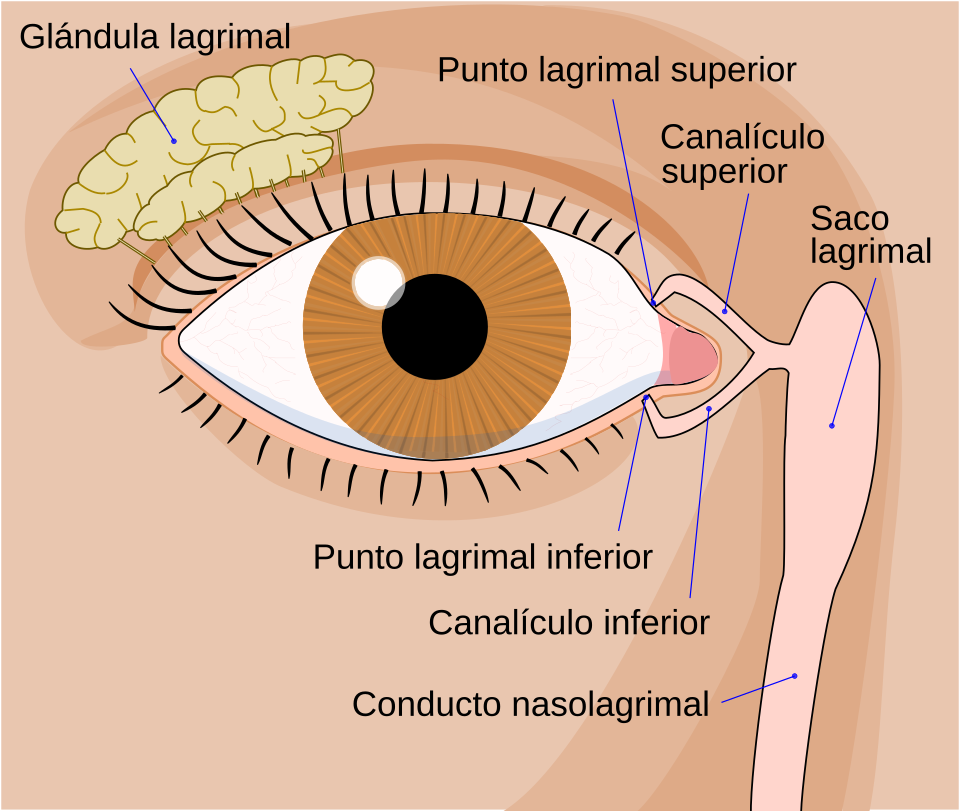
Watery eyes may come from dry-eye irritation, eyelid position or drainage blockage. A structured examination helps identify the cause.
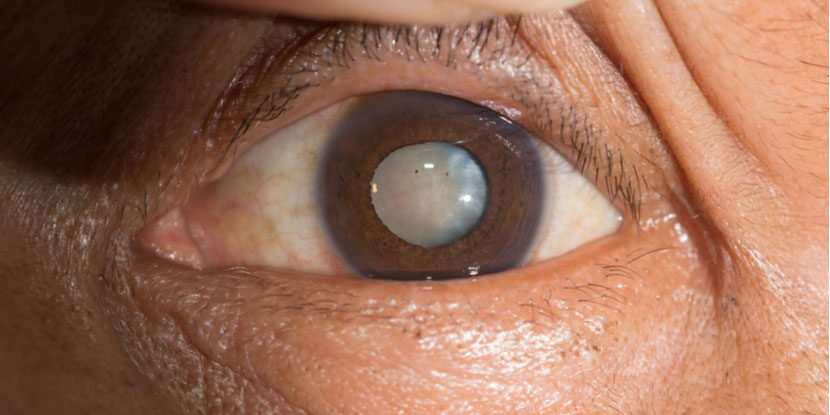
Why an outward-turning lower eyelid causes watering and exposure, and how treatment is selected according to laxity, scarring or weakness.
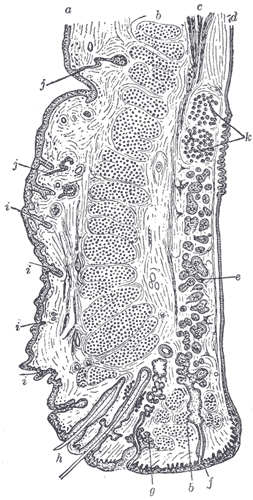
An inward-turning eyelid can make lashes rub the cornea. Learn about symptoms, temporary protection and definitive correction.

What upper and lower eyelid surgery can and cannot do, how patients are assessed, and why dry-eye and brow position matter.
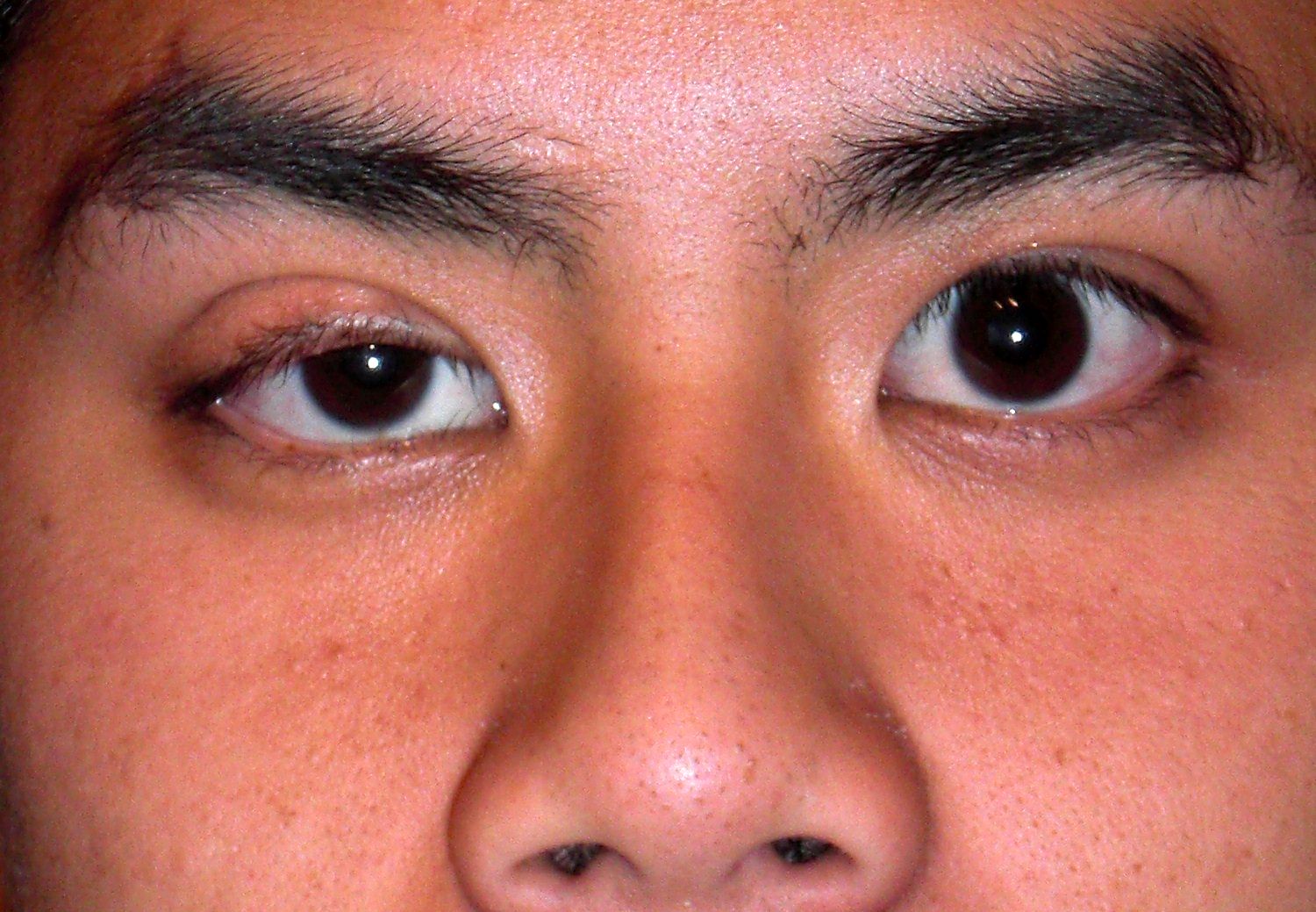
Learn why childhood droopy eyelids need vision assessment, how amblyopia risk is judged, and when surgery may be recommended.
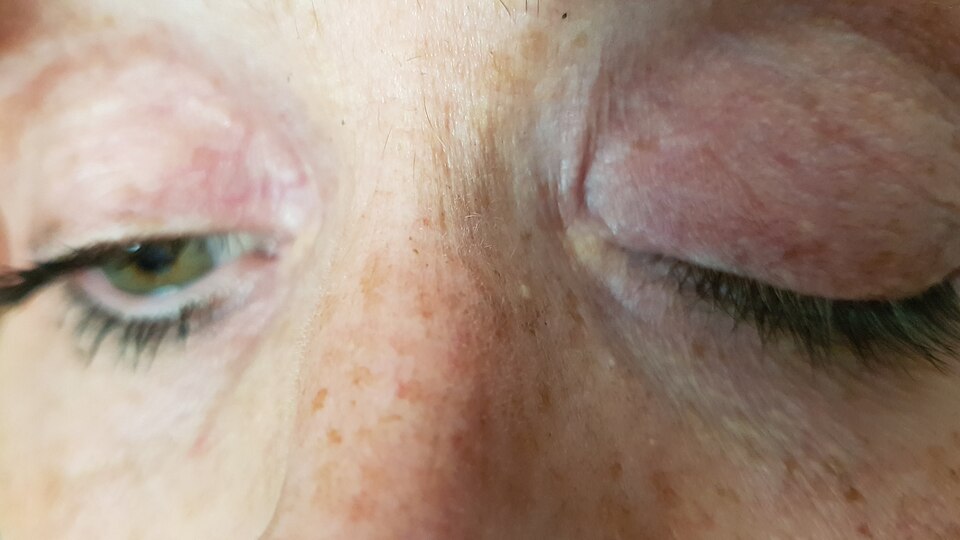
A practical guide to adult droopy eyelids, including causes, examination, surgical options and symptoms that require urgent assessment.
Understand what an oculoplastic surgeon treats, when a specialist opinion helps, and how functional and cosmetic eye-area care overlap.