
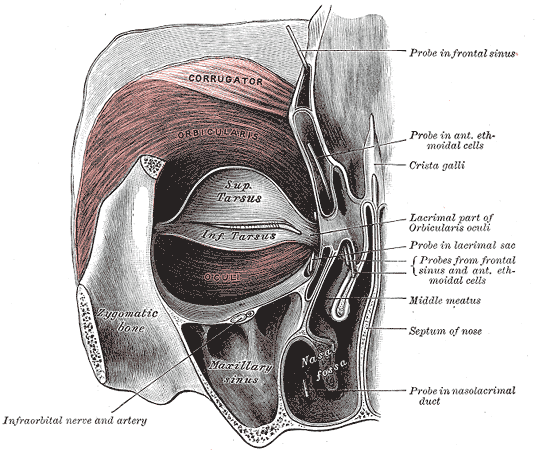
An orbital fracture is a break in the bony eye socket, often after blunt trauma. Treatment depends on vision, muscle entrapment, eye position and CT findings.
Understanding orbital fractures
The thin floor and medial wall of the orbit can fracture even when the eye itself remains intact. Oculoplastic assessment considers both eye safety and appearance because the eyelids, orbit and tear drainage system work together. A treatment plan should therefore be based on the cause, severity, visual impact, ocular surface health, age, medical history and the patient’s priorities rather than on photographs alone.
For patients in Raipur and nearby areas, a consultation usually begins with a focused history and examination. Previous eye operations, thyroid disease, diabetes, blood-thinning medicines, trauma, contact-lens use and changes over time can all influence the diagnosis. Bringing old photographs, prescriptions and investigation reports can make the assessment more useful.
Common symptoms and signs
- Double vision, especially looking up or down
- Pain or nausea with eye movement
- Numbness of the cheek, upper lip or teeth
- A sunken or displaced eye after swelling settles
- Bruising and swelling around the eye
- Restricted eye movement or a “white-eye” fracture in a child
Symptoms do not always match the visible severity. A mild-looking eyelid problem may cause significant irritation or visual-field difficulty, while a dramatic cosmetic change may still require tests before treatment. One-sided, rapidly changing or painful symptoms deserve particular attention.
Why it happens
- Sports ball, fist or blunt-object impact
- Road traffic collision
- Falls and workplace injuries
- Assault
- Associated mid-face fractures
- Rare postoperative or penetrating injury
Several conditions can look similar. For example, eyebrow descent can mimic an eyelid droop, dry eye can cause reflex watering, and thyroid eye disease can resemble a simple eyelid-position problem. Correctly identifying the main cause helps avoid ineffective or inappropriate treatment.
How an oculoplastic surgeon assesses it
- Urgent vision, pupil and globe examination
- Eye-movement testing and forced-duction assessment when needed
- Facial sensation and eyelid evaluation
- Thin-section CT of the orbit and facial bones
- Monitoring for oculocardiac symptoms in children
Additional tests are selected only when they may change management. These can include visual-field testing, tear-drainage irrigation, clinical photography, blood tests, imaging of the orbit or sinuses, tissue biopsy, or review with another specialist. The exact work-up depends on the individual finding rather than a fixed package.
Treatment options
- Observation: Small fractures without entrapment, significant displacement or troublesome double vision may be monitored.
- Urgent release: Children with entrapment, nausea, slow pulse or marked restriction may need urgent surgery.
- Planned reconstruction: Persistent double vision, large defects or significant enophthalmos may be repaired with an implant.
- Associated injury care: Globe, eyelid, sinus and neurological injuries are treated alongside the fracture.
The safest option is not always surgery. Observation, lubrication, treatment of an underlying condition or a staged approach may be more appropriate. When an operation is recommended, the surgeon should explain the intended functional and cosmetic goals, anaesthesia, scars, realistic symmetry, possible need for revision, and condition-specific risks.
Preparing for treatment and recovery
- Avoid nose blowing because air can enter the orbit
- Use prescribed medicines and cold compresses as instructed
- Double vision may improve as swelling resolves
- Final eye position is assessed after acute swelling settles
Swelling and bruising are common after many eyelid and orbital procedures and often look worse during the first few days before improving. Cold compresses, head elevation, prescribed medicines and avoiding rubbing or strenuous activity are commonly advised, but instructions vary by procedure. Do not stop aspirin, anticoagulants or other prescribed medicines without approval from the clinician who manages them.
When to seek urgent care
Reduced vision, severe pain, nausea with eye movement, a fixed pupil, increasing proptosis or suspected globe rupture requires immediate emergency care. Sudden loss of vision, severe eye pain, chemical injury, major trauma, rapidly increasing swelling, fever with worsening redness, or new double vision should be assessed urgently. Online information and contact forms are not substitutes for emergency care.
Questions worth asking at consultation
- What is the most likely diagnosis, and what alternatives need to be ruled out?
- Is the aim to protect the eye, improve function, improve appearance, or a combination?
- What result is realistic for my anatomy and medical history?
- What are the important risks, recovery milestones and warning symptoms?
- Will I need photographs, imaging, blood tests, biopsy or review by another specialist?
Key takeaway
The CT appearance is important, but the decision to operate is based on function, entrapment and eye position rather than fracture size alone. A personalised examination is the best way to decide whether observation, medical treatment or surgery is suitable.
Frequently asked questions
Does every orbital fracture need surgery?
No. Many are observed if vision is safe, movement is improving and there is no important displacement or entrapment.
Why should I avoid nose blowing?
A fracture can connect the sinus and orbit, allowing air and contaminated material to enter the eye socket.
How long can double vision last?
Swelling-related double vision may improve over days to weeks, but entrapment or scarring can persist and needs review.
References & review notes
American Society of Ophthalmic Plastic and Reconstructive Surgery: https://www.asoprs.org/
NHS eye conditions and treatment information: https://www.nhs.uk/conditions/
Medical disclaimer: This article is for education only. Diagnosis and treatment depend on an in-person examination, medical history and, when needed, investigations.