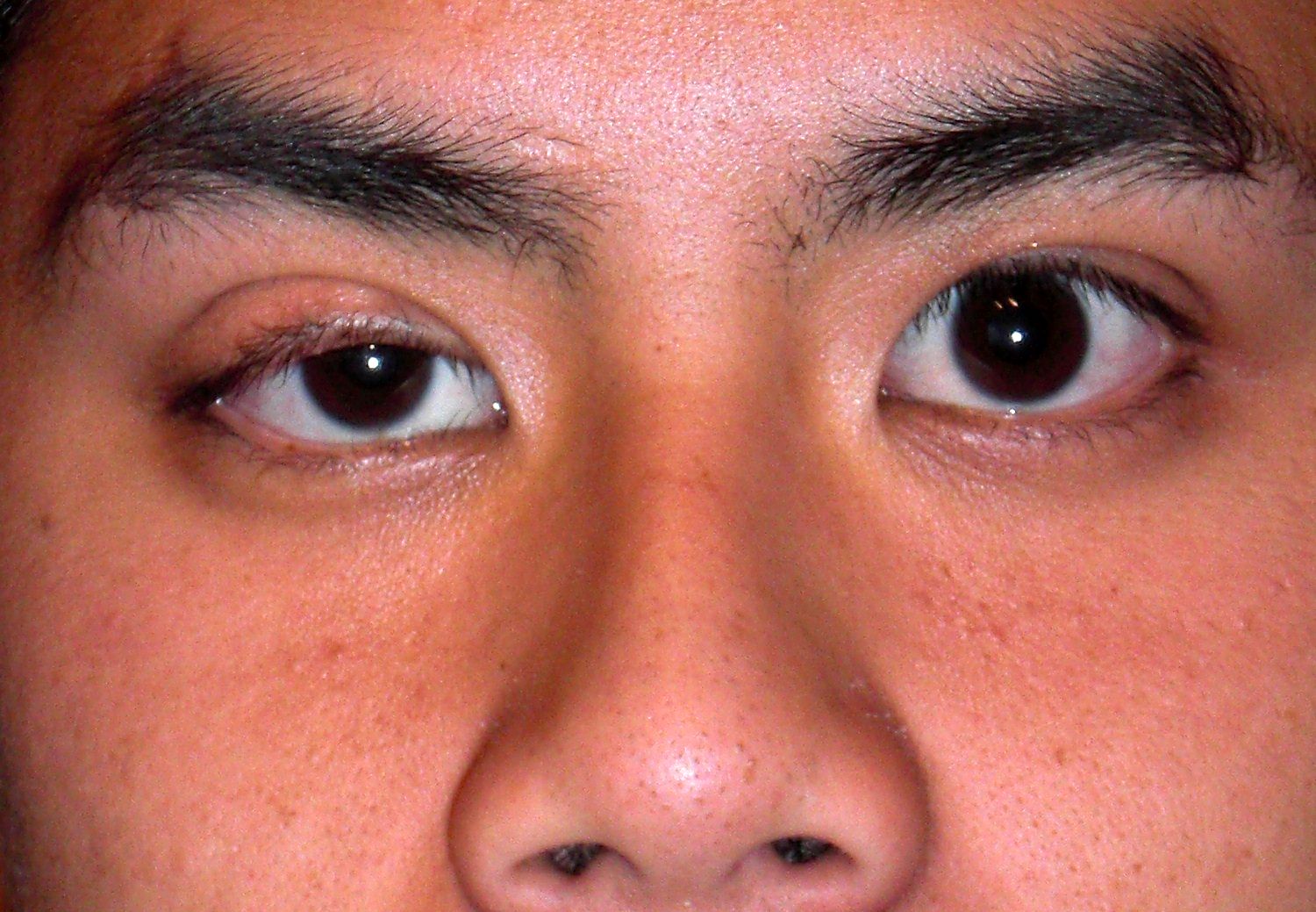
Congenital ptosis is an upper-eyelid droop present at birth or early childhood. The priority is protecting visual development and recognising associated eye or neurological conditions.
Understanding congenital ptosis
In children, eyelid position can influence visual development as well as facial appearance. Oculoplastic assessment considers both eye safety and appearance because the eyelids, orbit and tear drainage system work together. A treatment plan should therefore be based on the cause, severity, visual impact, ocular surface health, age, medical history and the patient’s priorities rather than on photographs alone.
For patients in Raipur and nearby areas, a consultation usually begins with a focused history and examination. Previous eye operations, thyroid disease, diabetes, blood-thinning medicines, trauma, contact-lens use and changes over time can all influence the diagnosis. Bringing old photographs, prescriptions and investigation reports can make the assessment more useful.
Common symptoms and signs
- One or both upper eyelids lower from birth or infancy
- Chin-up head posture to look beneath the eyelid
- Eyebrow lifting on the affected side
- Astigmatism, unequal spectacle power or squint
- The eyelid covering the visual axis
- Poor fixation or reduced vision in the affected eye
Symptoms do not always match the visible severity. A mild-looking eyelid problem may cause significant irritation or visual-field difficulty, while a dramatic cosmetic change may still require tests before treatment. One-sided, rapidly changing or painful symptoms deserve particular attention.
Why it happens
- Developmental weakness of the levator muscle
- Genetic or syndromic conditions
- Birth trauma or nerve-related causes
- Jaw-winking synkinesis or abnormal nerve connections
- Mechanical weight from a lesion or swelling
- Acquired neurological, muscular or inflammatory disease
Several conditions can look similar. For example, eyebrow descent can mimic an eyelid droop, dry eye can cause reflex watering, and thyroid eye disease can resemble a simple eyelid-position problem. Correctly identifying the main cause helps avoid ineffective or inappropriate treatment.
How an oculoplastic surgeon assesses it
- Age-appropriate vision and fixation assessment
- Cycloplegic refraction to detect astigmatism or anisometropia
- Strabismus, eye-movement and pupil examination
- Measurement of eyelid height and muscle excursion
- Screening for jaw-winking, double elevator weakness and syndromic signs
Additional tests are selected only when they may change management. These can include visual-field testing, tear-drainage irrigation, clinical photography, blood tests, imaging of the orbit or sinuses, tissue biopsy, or review with another specialist. The exact work-up depends on the individual finding rather than a fixed package.
Treatment options
- Vision treatment: Glasses, patching or treatment of strabismus may be needed to prevent or manage amblyopia.
- Early surgery: Considered when the visual axis is blocked, head posture is marked or amblyopia risk is high.
- Planned later surgery: Milder cases may be monitored and operated when measurements and cooperation are more reliable.
- Procedure selection: Levator-based surgery or frontalis suspension is chosen according to muscle function and associated findings.
The safest option is not always surgery. Observation, lubrication, treatment of an underlying condition or a staged approach may be more appropriate. When an operation is recommended, the surgeon should explain the intended functional and cosmetic goals, anaesthesia, scars, realistic symmetry, possible need for revision, and condition-specific risks.
Preparing for treatment and recovery
- Parents need clear instructions for lubrication and wound care
- Children should avoid rubbing, rough play and swimming until cleared
- Early eyelid height can change as swelling settles
- Long-term reviews may be needed as the face grows
Swelling and bruising are common after many eyelid and orbital procedures and often look worse during the first few days before improving. Cold compresses, head elevation, prescribed medicines and avoiding rubbing or strenuous activity are commonly advised, but instructions vary by procedure. Do not stop aspirin, anticoagulants or other prescribed medicines without approval from the clinician who manages them.
When to seek urgent care
A newly acquired droop, pupil abnormality, eye-movement problem, weakness, severe headache, trauma or rapidly enlarging eyelid mass needs prompt evaluation. Sudden loss of vision, severe eye pain, chemical injury, major trauma, rapidly increasing swelling, fever with worsening redness, or new double vision should be assessed urgently. Online information and contact forms are not substitutes for emergency care.
Questions worth asking at consultation
- What is the most likely diagnosis, and what alternatives need to be ruled out?
- Is the aim to protect the eye, improve function, improve appearance, or a combination?
- What result is realistic for my anatomy and medical history?
- What are the important risks, recovery milestones and warning symptoms?
- Will I need photographs, imaging, blood tests, biopsy or review by another specialist?
Key takeaway
The timing of childhood ptosis surgery is driven primarily by vision development and safety, with appearance also considered. A personalised examination is the best way to decide whether observation, medical treatment or surgery is suitable.
Frequently asked questions
Does every child with ptosis need immediate surgery?
No. Mild cases without visual-axis obstruction or amblyopia risk may be monitored, but regular paediatric eye checks are important.
Can ptosis cause lazy eye?
Yes. Ptosis can contribute to amblyopia by blocking vision or causing astigmatism or unequal focus.
Will a child need another operation later?
Some children may need adjustment or revision as they grow or if eyelid height, contour or closure changes.
References & review notes
Cleveland Clinic health library: https://my.clevelandclinic.org/health
American Society of Ophthalmic Plastic and Reconstructive Surgery: https://www.asoprs.org/
Medical disclaimer: This article is for education only. Diagnosis and treatment depend on an in-person examination, medical history and, when needed, investigations.